Cambodia Garment, Apparel and Textile Industry: What Importers & Quality Control Companies Should Notice

Cambodia’s garment, apparel, and textile industry remains one of the country’s largest export sectors and an important sourcing destination for global brands. Success, however, depends on understanding the industry’s supply chain, compliance landscape, recurring quality risks, and implementing effective quality control throughout the manufacturing process.
For more than two decades, Cambodia has developed into one of Southeast Asia’s leading garment manufacturing hubs. The industry continues to attract international buyers thanks to competitive trade preferences, an experienced manufacturing workforce, and strong export capabilities.
However, sourcing successfully from Cambodia requires much more than selecting a factory with competitive pricing. Importers should understand how the industry’s structure influences production quality, while quality control companies must recognize the recurring risks that appear throughout the manufacturing process.

Why is Cambodia an important sourcing destination for garments and apparel?
The garment, apparel, and textile sector remains the backbone of Cambodia’s manufacturing economy.
According to Cambodgema, Cambodia exported US$15.7 billion worth of garment, footwear, and travel goods in 2025, representing 15.8% year-on-year growth. This continued expansion demonstrates the country’s importance within global apparel supply chains.
Cambodia’s competitive position is supported by several advantages:
- Long-established garment manufacturing experience
- Strong participation in global supply chains
- Trade preference programs for major export markets
- Growing transportation infrastructure
- Increasing investment in manufacturing capacity
Unlike countries with vertically integrated textile industries, Cambodia specializes primarily in garment assembly and finished product manufacturing.
This specialization has shaped both its strengths and its operational challenges.
How is Cambodia’s textile supply chain different?
One of the most important characteristics of Cambodia’s garment industry is its dependence on imported raw materials.
Unlike China or Vietnam, Cambodia has a relatively small domestic textile manufacturing base. Most fabrics, yarns, trims, accessories, and other production inputs are imported before garment production begins.
This means Cambodian factories often excel in:
- Cutting
- Sewing
- Assembly
- Finishing
- Packing
while relying on overseas suppliers for:
- Fabric
- Yarn
- Buttons
- Zippers
- Elastic bands
- Labels
- Packaging materials
Because of this supply chain structure, production schedules are closely linked to the timely arrival of imported materials.
For importers, this means supplier capability should be evaluated not only by sewing quality but also by procurement planning and raw material management.
Why should importers understand Cambodia’s trade advantages?
Cambodia’s export competitiveness extends beyond manufacturing costs.
The country benefits from several international trade preference programs that improve market access for exported garments.
These trade arrangements have allowed manufacturers to remain competitive despite relying heavily on imported fabrics.
For importers, understanding these preferential trading arrangements is important because they directly influence sourcing costs, customs duties, and long-term purchasing strategies.
Businesses evaluating regional sourcing options should also understand how Cambodia apparel and bags manufacturing benefits from these evolving trade frameworks and supply chain strategies.
Trade policy can significantly influence total landed cost, making it an important consideration alongside production quality.
What quality challenges are most common in Cambodian garment factories?
Every manufacturing country develops its own recurring quality patterns.
Based on industry observations, Cambodian garment production frequently experiences quality issues in three major categories.
| Quality Category | Typical Issues |
|---|---|
| Fabric Appearance | Shade variation, oil stains, fabric snags, pulling yarns |
| Sewing Quality | Skipped stitches, broken yarns, open seams, puckered collars |
| Labeling & Packaging | Incorrect care labels, missing size stickers, unreadable barcodes |
These defects rarely occur randomly.
Instead, they often indicate broader production issues involving machine maintenance, operator training, production planning, or incoming material management.
For quality control companies, recognizing these recurring defect patterns allows inspectors to focus attention where quality risks are highest.
Why should quality control begin before production starts?
One common misconception is that product quality can be verified only during the final inspection.
In reality, quality should be monitored throughout the manufacturing process.
A complete inspection program normally includes:
| Inspection Stage | Primary Objective |
|---|---|
| Pre-Production Inspection (PPI) | Verify materials before production |
| During Production Inspection (DUPRO) | Detect problems before mass completion |
| Final Random Inspection (FRI) | Verify finished products before shipment |
| Container Loading Inspection (CLI) | Confirm correct loading and shipment security |
Applying inspections progressively reduces the likelihood that defects remain undetected until production is complete.
Companies interested in strengthening factory oversight often implement structured quality control in garment manufacturing throughout every production stage rather than relying only on pre-shipment inspections.
What should inspectors pay the closest attention to?
Although visual appearance remains important, experienced inspectors evaluate much more than cosmetic quality.
Several laboratory and functional tests help determine whether garments meet buyer specifications.
Examples include:
- Metal and needle detection
- Seam strength testing
- Button pull testing
- Snap pull testing
- Functional zipper testing
- Colorfastness testing
- Fabric GSM verification
- Stitch density verification
For example, garments passing through metal detection systems should be screened using calibrated equipment capable of detecting broken needle fragments to reduce product safety risks.
Similarly, seam strength, button attachment, and zipper durability should be verified through repeated functional testing rather than visual inspection alone.
Another critical measurement involves fabric consistency.
Inspectors verify both Grams per Square Meter (GSM) and Stitches Per Inch (SPI) to ensure finished garments match buyer technical specifications and maintain expected durability throughout normal use.
Why are labeling and packaging inspections just as important as workmanship?
Many buyers focus primarily on sewing quality.
However, labeling and packaging errors frequently result in shipment delays, retailer chargebacks, or product recalls despite acceptable workmanship.
Inspectors should verify:
- Product measurements
- Fiber composition labels
- Care instructions
- Country of origin labels
- Polybag labels
- Barcode readability
- Carton markings
- Size assortments
Industry observations indicate that incorrect fiber composition labels, slanted logos, missing polybag stickers, and unreadable barcodes remain among the most common causes of shipment rejection.
For importers, these issues demonstrate why packaging inspections deserve the same attention as product inspections.
Why are social compliance and product quality closely connected?
One important trend shaping Cambodia’s garment industry is the growing integration of quality management with social compliance.
High defect rates are not always caused by inadequate technical skills.
Working conditions, excessive overtime, worker fatigue, and heat stress can also influence production consistency and workmanship quality.
As a result, many international buyers increasingly combine product inspections with Better Factories Cambodia compliance programs to evaluate both manufacturing quality and factory working conditions.
This integrated approach helps reduce operational risks while supporting more sustainable sourcing practices.
How is sustainability changing Cambodia’s garment industry?
Sustainability is no longer a niche requirement. It has become a key factor influencing sourcing decisions for many international brands.
Global buyers increasingly expect suppliers to demonstrate environmental responsibility alongside product quality. As a result, Cambodian garment manufacturers are investing in cleaner production methods, improved resource efficiency, and stronger environmental management systems.
Areas receiving greater attention include:
- Energy efficiency
- Water conservation
- Waste reduction
- Chemical management
- Sustainable material sourcing
- Carbon emission reduction
For importers, sustainability initiatives are becoming an important indicator of long-term supplier capability rather than simply a marketing advantage.
Quality control companies should also recognize that environmental practices increasingly influence supplier evaluations during factory assessments.
Why are ESG requirements becoming part of supplier evaluations?
Environmental, Social, and Governance (ESG) performance is becoming closely connected with sourcing decisions.
International brands are looking beyond manufacturing costs and product quality. They increasingly evaluate whether suppliers operate responsibly and can support long-term sustainability objectives.
Common assessment areas include:
| ESG Category | Typical Evaluation Areas |
|---|---|
| Environmental | Energy use, waste management, water consumption |
| Social | Working conditions, worker safety, labor practices |
| Governance | Documentation, traceability, management systems |
For quality control companies, this means inspections are gradually becoming more comprehensive. In addition to product inspections, buyers often request factory audits, social compliance assessments, and documentation reviews to gain a broader understanding of supplier capability.
Companies that maintain strong quality systems together with responsible manufacturing practices are generally better positioned to build long-term relationships with international buyers.
What logistics factors should importers monitor?
Although garment quality is the primary focus during production, logistics performance also influences sourcing success.
Cambodia continues to improve its transportation infrastructure through investments in ports, roads, and regional trade connectivity. These improvements support faster exports and provide manufacturers with additional shipping options.
However, importers should continue monitoring factors that may affect delivery performance, including:
- Availability of imported fabrics and accessories
- Production scheduling
- Port capacity
- Container availability
- Customs clearance
- Transportation lead times
Because most production materials are imported, delays in upstream logistics can affect manufacturing schedules even when factory operations remain efficient.
For this reason, production monitoring should begin well before final inspection.

What should quality control companies pay closer attention to?
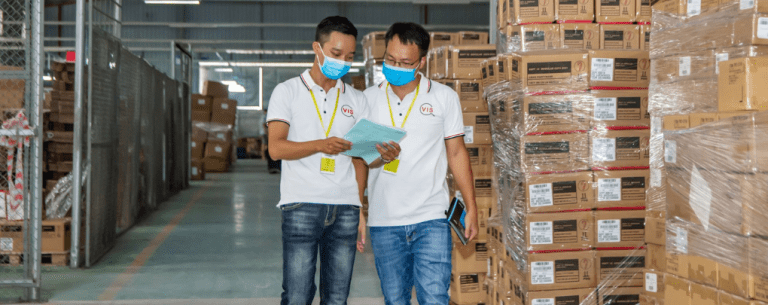
As Cambodia’s garment industry continues to develop, the role of third-party quality control companies is expanding.
Modern inspections involve much more than identifying visual defects.
Inspectors should evaluate whether factories consistently follow approved production procedures while identifying risks that could affect shipment quality.
Key inspection priorities include:
- Incoming material verification
- Production consistency
- Measurement accuracy
- Workmanship quality
- Functional testing
- Label verification
- Packaging inspection
- Carton marking verification
- Shipment quantity confirmation
In addition, inspectors should carefully review production records, corrective actions, and quality management practices whenever recurring defects are identified.
Photographic evidence, detailed defect descriptions, and objective reporting help buyers understand not only what defects were found but also why they occurred.
This information allows suppliers to implement corrective actions more effectively and supports continuous improvement across future production orders.
How can importers reduce sourcing risks in Cambodia?
Successful sourcing depends on managing quality throughout the production process rather than relying solely on final inspections.
Importers can significantly reduce operational risks by following several best practices.
Recommended sourcing practices
- Select suppliers based on both manufacturing capability and quality management.
- Confirm technical specifications before production begins.
- Approve production samples before mass manufacturing.
- Schedule Pre-Production Inspections for new orders.
- Conduct During Production Inspections for larger production runs.
- Perform Final Random Inspections before shipment.
- Verify packaging, labeling, and carton markings before container loading.
- Review inspection reports promptly and confirm corrective actions before shipment approval.
These practices help buyers detect potential problems earlier, reducing both quality risks and shipment delays.
What does the future look like for Cambodia’s garment industry?
Cambodia’s garment sector continues to evolve as global sourcing strategies change.
International buyers are increasingly seeking suppliers that combine competitive manufacturing costs with reliable quality systems, responsible business practices, and resilient supply chains.
At the same time, manufacturers are investing in technology, workforce development, sustainability initiatives, and production efficiency to meet rising customer expectations.
These developments are expected to strengthen Cambodia’s position within global apparel supply chains while creating new opportunities for both manufacturers and international buyers.
For quality control companies, this evolution means inspections will continue expanding beyond traditional product evaluations to include broader assessments of manufacturing capability, traceability, and operational performance.
Conclusion
Cambodia’s garment, apparel, and textile industry remains one of Southeast Asia’s most important sourcing destinations.
Its experienced manufacturing workforce, export-oriented production capacity, and continued investment in industry development provide significant opportunities for international buyers.
However, successful sourcing depends on understanding more than production costs. Importers should evaluate supplier capability, supply chain management, quality systems, compliance practices, and inspection results throughout the manufacturing process.
For quality control companies, garment, apparel, and textile inspections should extend beyond identifying defects. Effective quality control helps buyers understand manufacturing performance, reduce sourcing risks, and support continuous improvement across future production.
As global expectations continue to rise, companies that combine structured quality management with responsible sourcing practices will be best positioned to achieve consistent product quality and long-term supply chain resilience.
Contact VIS Global for garment, apparel, and textile inspections in Cambodia.