Container Loading Inspection for Export Shipments
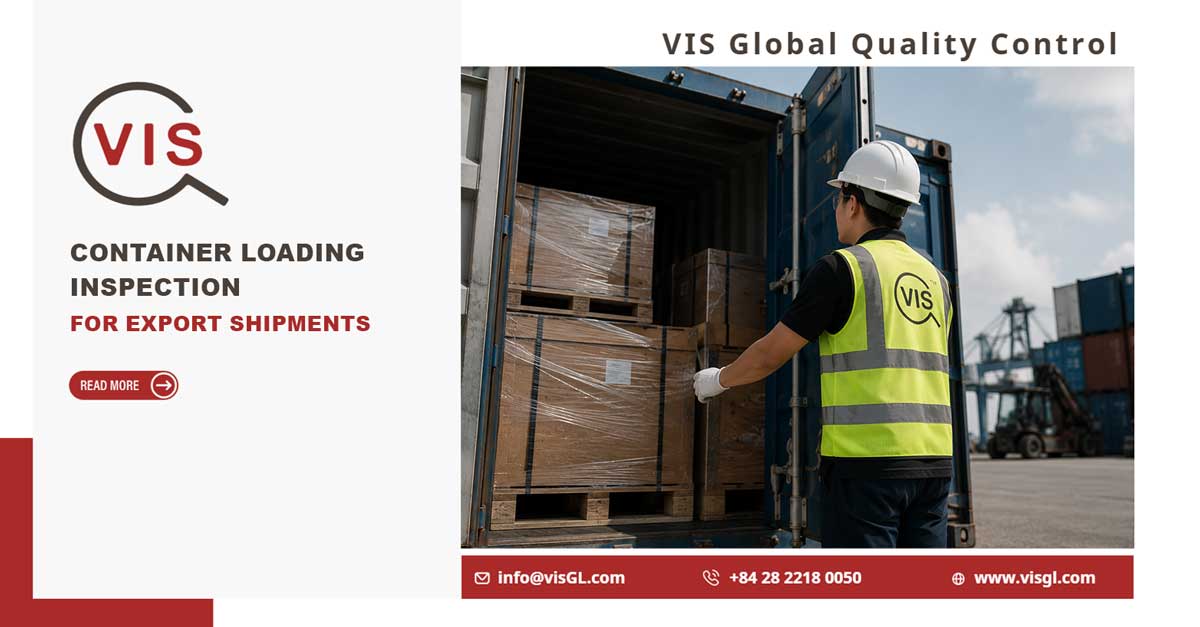
A container loading inspection is a systematic quality control process conducted at the factory or port to verify that goods are correctly handled, secured, and sealed before export. This procedure ensures accurate quantities, prevents transit damage, and guarantees strict compliance with international shipping regulations and border customs protocols.
What Is a Container Loading Inspection in Global Logistics?
A container loading inspection validates the exact condition and quantity of manufactured goods immediately before they are locked into a steel shipping unit. Professional quality engineers monitor the entire stuffing process to ensure the cargo matches the final purchase order and commercial packing list.
This physical verification acts as the definitive gatekeeping step before logistics transfer. Instead of relying on factory warehouse staff to secure heavy pallets, corporate buyers deploy independent third party inspectors. These specialists provide an objective set of eyes on the ground.
These experts assess the structural integrity of the empty container to guarantee it is fit for ocean transit. They check for internal moisture, floor damage, or rust, and then supervise the stacking methodology to prevent the crushing of bottom tier cartons.
Why Is Loading Supervision Critical for Export Shipments?
Loading supervision is critical because the vast majority of transit damage originates from improper weight distribution and inadequate securing at the origin facility. When heavy machinery or delicate consumer goods shift during a turbulent ocean voyage, the mechanical impact destroys the cargo long before it reaches the destination port.
Industry data underscores this severe operational vulnerability. According to detailed maritime industry analysis, TT Club statistics indicate that as much as 66% of incidents related to cargo damage in the intermodal supply chain are caused by poor or improper packing practices. By actively supervising the container stuffing process, importers can prevent these devastating financial losses.
The primary supply chain risks eliminated by active loading supervision include:
-
Quantity Shortages: Preventing factory operators from short shipping components or forgetting partial pallets.
-
Improper Dunnage Application: Ensuring operators use the correct blocking and bracing materials to restrict lateral movement.
-
Environmental Contamination: Rejecting damp containers that cause severe mold and moisture damage during lengthy transits.
-
Barcode and Labeling Errors: Verifying that shipping marks and carton labels comply with destination retail protocols.

How Do Inspectors Verify Cargo and Container Integrity?
Inspectors verify cargo and container integrity by executing a structured physical audit that covers the empty container condition, the packaging quality, and the final sealing protocol. This rigid methodology ensures that every physical attribute of the shipment aligns precisely with the buyer technical specifications.
Deploying a standardized checklist prevents subjective interpretations of cargo safety. It forces the loading team to adhere to international maritime safety guidelines throughout the entire stuffing procedure.
What Are the Common Causes of Cargo Damage During Transit?
The most common causes of cargo damage during transit include eccentric weight distribution, insufficient mechanical lashing, and severe climate variations inside the steel container. Ocean vessels subject cargo to immense dynamic forces, including pitching, rolling, and heaving. These forces multiply the physical strain on any improperly secured pallets.
While containerized shipping is highly efficient, external environmental threats remain a constant and unpredictable factor. The World Shipping Council confirms that 576 containers were lost at sea in 2024, driven primarily by severe weather patterns and routing changes around hazardous maritime zones.
While ocean weather cannot be controlled by the buyer, ensuring your cargo is perfectly balanced and secured internally prevents the container stack from collapsing. Proper stuffing minimizes total loss exposure and protects the structural integrity of the entire vessel load.

How Does Independent Supervision Ensure Regulatory Compliance?
Independent supervision ensures regulatory compliance by creating an immutable, photographic record of the entire loading event and the final security seal application. When cargo arrives at destination border control, customs agencies require absolute proof of origin and manifest accuracy to clear the shipment efficiently.
Discrepancies between the commercial invoice and the actual loaded quantities trigger immediate customs holds, security scans, and expensive port demurrage fees. By utilizing an independent inspection agency, corporations secure a detailed and highly accurate loading report.
This digital document protects enterprise buyers against aggressive supplier disputes. It also provides maritime insurance underwriters with undeniable proof of condition, which is critical for expediting any future liability claims.
How Can Global Buyers Secure Their Supply Chain Logistics?
Global buyers can secure their supply chain logistics by integrating third party loading inspections directly into their standard procurement and export operations. Removing the reliance on factory self reporting guarantees objective transparency. This approach enforces strict accountability across the entire international logistics network.
At VIS Global Quality Control, we transform complex logistics requirements into secure, auditable field inspections. Our specialized engineering division delivers comprehensive container loading supervision, rigorous factory capability audits, and advanced quality verification across primary global manufacturing hubs.
Defend your capital investments against severe transit damage and secure smooth border clearance from day one. Contact our corporate advisory team today at [email protected] or visit VIS Global to establish an institutional grade logistics framework.