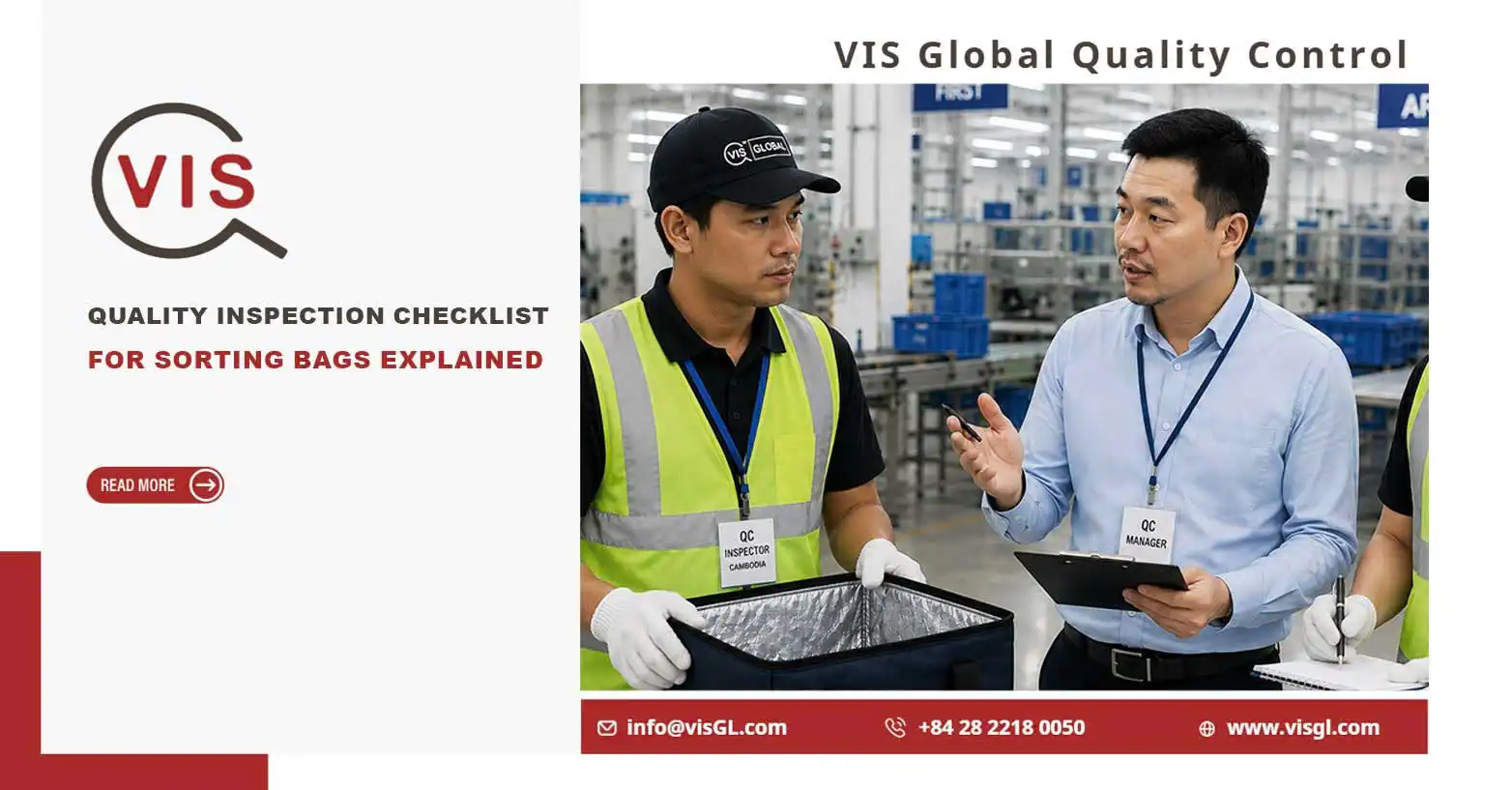
Quality Inspection Checklist for Sorting Bags Explained
A quality inspection checklist for sorting bags is a standardized engineering protocol used to verify the structural integrity, dimensional accuracy, and material durability of industrial transport bags. This rigorous evaluation guarantees that heavy-duty sorting bags withstand intense mechanical stress and comply with global textile manufacturing standards before export.
What Is a Quality Inspection Checklist for Sorting Bags?
A quality inspection checklist for sorting bags is an itemized evaluation framework that guides quality control engineers through physical, visual, and mechanical testing of industrial bags. The document ensures every manufactured unit matches the original technical blueprint and commercial purchase order.
Because these bags transport dense materials like bulk mail, recycled glass, or commercial laundry, they cannot fail under pressure. The checklist provides a rigid methodology to prevent subjective factory approvals. It categorizes potential manufacturing flaws into critical, major, and minor defects to determine overall batch acceptability.
This structured document serves as the ultimate source of truth on the factory floor. It aligns the expectations of the enterprise buyer with the daily output capabilities of the overseas supplier.
Why Is Load Testing Critical for Industrial Sorting Bags?
Load testing is critical for industrial sorting bags because it actively proves the tensile strength of the lifting handles and bottom panels under maximum capacity. Simulating years of harsh operational abuse isolates weak stitching before the product enters a commercial supply chain.
Industrial logistics networks place immense kinetic stress on woven fabrics. According to studies on industrial textile durability and tensile performance, seam slippage under heavy dynamic loads accounts for a significant percentage of premature fabric failure. Inspectors fill the bag with specified weights and perform dynamic jerk tests to replicate real world lifting conditions.
If the cross stitched handles tear during this assessment, the entire production batch is flagged for critical review. To secure product safety, a professional load and stress evaluation sequence includes the following steps:
-
Static Weight Suspension: Hanging the fully loaded bag for up to 24 hours to monitor slow seam tearing.
-
Dynamic Drop Testing: Dropping the loaded bag from controlled heights to evaluate base panel burst resistance.
-
Handle Pull Assessments: Using specialized tension gauges to measure the exact breaking point of the nylon straps.
-
Puncture Resistance Checks: Testing the interior base fabric against sharp internal contents.

How Do Inspectors Verify Dimensional and Structural Integrity?
Inspectors verify dimensional and structural integrity by measuring the finished bag against the approved golden sample and checking all functional hardware components. Exact sizing ensures the sorting bag fits perfectly into standardized rolling carts or rigid industrial sorting frames.
A bag cut just two centimeters too small will not hook onto a designated metal recycling stand. Engineers measure the gusset depth, handle drop length, and overall volume using calibrated measurement tapes. They meticulously compare these figures against the tolerances established in the engineering tech pack.
Following dimensional checks, the inspection team tests heavy duty zippers, metal grommets, and plastic buckles. Hardware must operate smoothly without snagging and must feature anti rust coatings to survive humid commercial environments. Any deviation in hardware specification triggers an immediate major defect classification.
What Material Parameters Dictate Sorting Bag Durability?
Sorting bag durability is dictated by the fabric weight, water resistance, and the chemical composition of the woven polymer or canvas. Verifying these exact material properties ensures the bag will not degrade prematurely when exposed to moisture, harsh ultraviolet light, or sharp internal contents.
Quality assurance teams cannot rely on visual texture alone to confirm material grades. They must conduct targeted assessments to calculate the precise Grams per Square Meter (GSM) of the fabric base. Additionally, chemical audits confirm the absence of restricted toxic substances to secure legal compliance across global import markets.
The table below outlines the critical material parameters tested during a standard sorting bag audit:

When Should Global Buyers Deploy Third Party Quality Audits?
Global buyers should deploy third party quality audits during the active production phase and immediately before the final shipping container is loaded. Independent oversight strips away factory bias and provides procurement teams with unvarnished, data driven insights into the actual state of their commercial orders.
Trusting an overseas supplier to self certify their own heavy duty products introduces massive financial risk. Data analyzing modern supply chain quality management frameworks reveals that independent supplier audits significantly reduce the propagation of defective goods across multi tier networks. Securing your logistics chain requires professional engineers working directly on the factory floor.
Executing these audits early prevents the compounding costs of international freight for unusable scrap. It forces the manufacturer to absorb the cost of rework while keeping your seasonal logistics timelines intact.
Safeguarding your industrial textile procurement means transitioning from assumptions to verifiable data. A robust inspection checklist provides the necessary leverage to correct errors before ocean freight is booked. Protect your operational efficiency and mandate strict compliance across your global vendor base. Build a resilient manufacturing network today by partnering with VIS Global.